
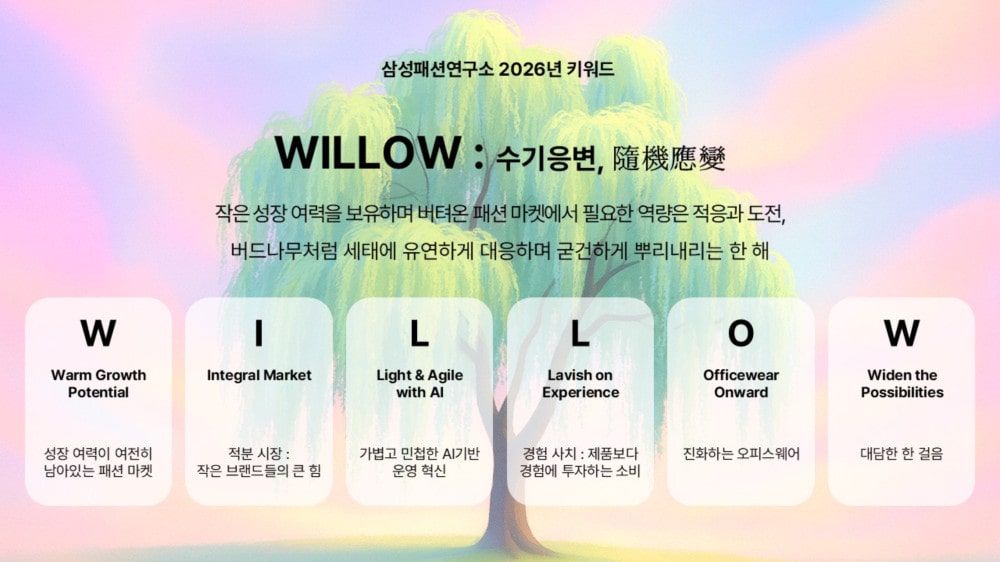
The Samsung Fashion Research Institute has forecasted the 2026 fashion market through six key words.
The Samsung Fashion Research Institute, operated by Samsung C&T’s Fashion Division, announced on the 24th that it has defined the core keyword for next year's fashion market as 'WILLOW (adaptability)' and will release its 2026 fashion market outlook.
'WILLOW' means willow tree, and 'adaptability' refers to the attitude of flexibly responding to unexpected situations. The Samsung Fashion Research Institute has highlighted the willow tree's flexibility, which bends but does not break under pressure, as the keyword for the 2026 fashion market.
The 2026 fashion market keyword 'WILLOW' encompasses ▲W(Warm Growth Potential: A fashion market with remaining growth potential) ▲I(Integral Market: The power of small brands) ▲L(Light and Agile with AI: Lightweight and agile AI-based operational innovation) ▲L(Lavish on Experience: Investing in experiences over products) ▲O(Officewear Onward: The evolution of office wear) ▲W(Widen the Possibilities: A bold step forward).
Ji-yeon Lim, head of the Samsung Fashion Research Institute, said, "Domestic and international uncertainties have already become the new normal, and the fashion market next year is also expected to face a challenging environment," adding, "In 2026, the ability to flexibly respond to the market will be more necessary than ever."
■ 2026 Fashion Market Keyword: WILLOW (adaptability)
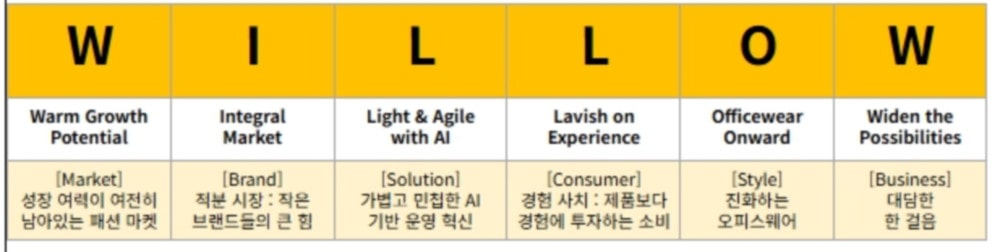
- W(Warm Growth Potential): A fashion market with remaining growth potential
Recently, amid rising inflation and increased consumer contraction, there is a trend where spending priorities are shifting from fashion to experiential consumption areas such as hobbies and travel. However, it is expected that there will still be some growth potential left in the 2026 fashion market despite these difficult conditions.
According to a recent survey by the Samsung Fashion Research Institute, fashion interest among people in their 20s is on the rise regardless of gender. It is analyzed that a slight recovery in domestic demand driven by consumer coupons and improved consumer sentiment from the second half of 2025 will positively impact the fashion market.
While many economic forecasting institutions predict that the domestic economic growth rate will be in the high 1% range in 2026 based on a semiconductor industry boom and domestic demand recovery, the Samsung Fashion Research Institute expects the fashion market to potentially grow in the 2% range in 2026.
- I(Integral Market): The power of small brands
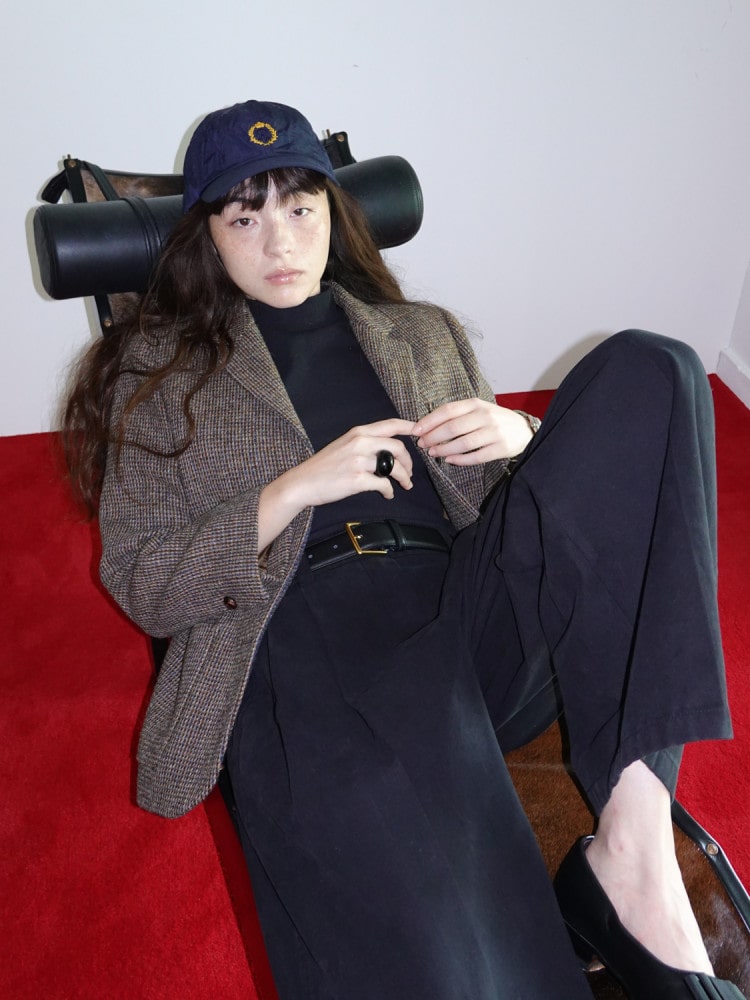
In 2026, 'small brands' are expected to drive the overall market growth. Unlike in the past when brand logos were a representation of identity, consumers today are increasingly choosing brands with narratives that reflect their own tastes, values, and lifestyles.
Samsung C&T's Fashion Division is responding to this trend with new brands such as 'Sandsound', 'The Aperture', and 'Ange'. These brands, now in their 2nd to 3rd year since launch, are experiencing rapid growth based on online platforms.
Additionally, the increase in online platforms that use AI to recommend products optimized for individual preferences is expected to contribute to the activation of small brands by making it easier for consumers to purchase brands that match their refined tastes.
- L(Light and Agile with AI): Lightweight and agile AI-based operational innovation
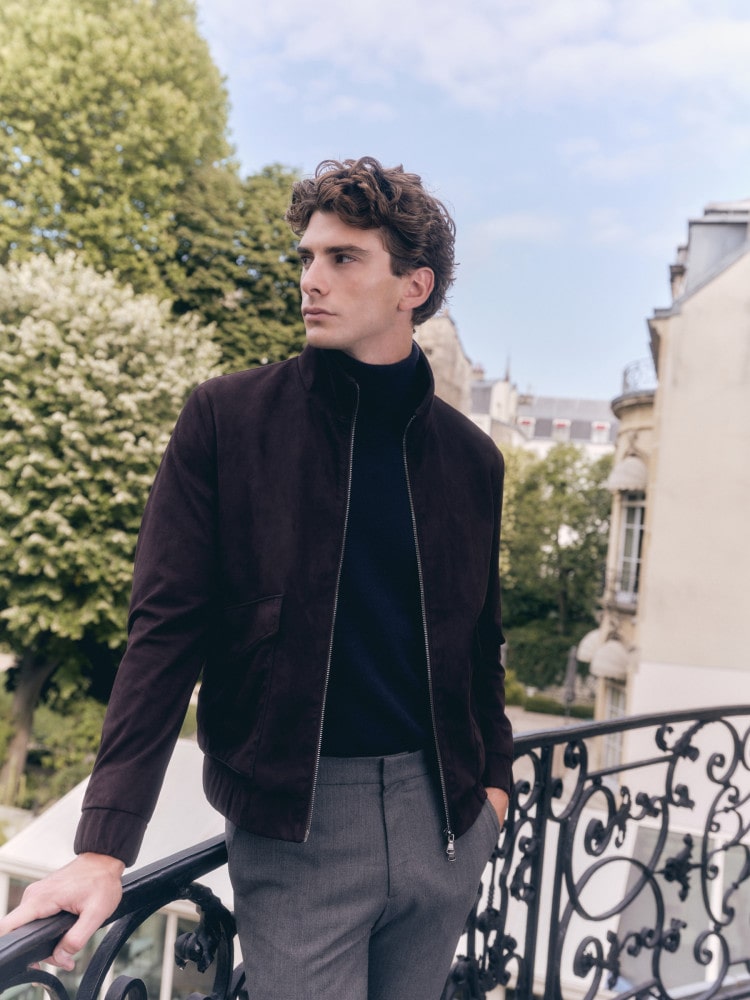
If 2025 was the year when generative AI technology began to be applied in the fashion industry, 2026 is expected to be the year when 'AI utilization becomes routine'.
In 2025, more companies began to reduce costs through generative AI by streamlining the production of images and videos, and this trend is expected to continue expanding in 2026. Moreover, predictions that AI will revolutionize consumers' shopping journeys and usher in the zero-click era are becoming a reality.
The shopping process, which traditionally involves search-selection-purchase, is also expected to shift to 'discovery-centric shopping'. 'Discovery-centric shopping' is a shopping method where consumers happen to discover and purchase products through AI recommendations, social media, and short-form content. As AI-based recommendations become more sophisticated, consumers are likely to delegate choices to AI, which knows them better than they do themselves, thus alleviating shopping fatigue. Such discovery commerce is expected to be particularly strong in categories like fashion, beauty, and lifestyle.
- L(Lavish on Experience): Investing in experiences over products
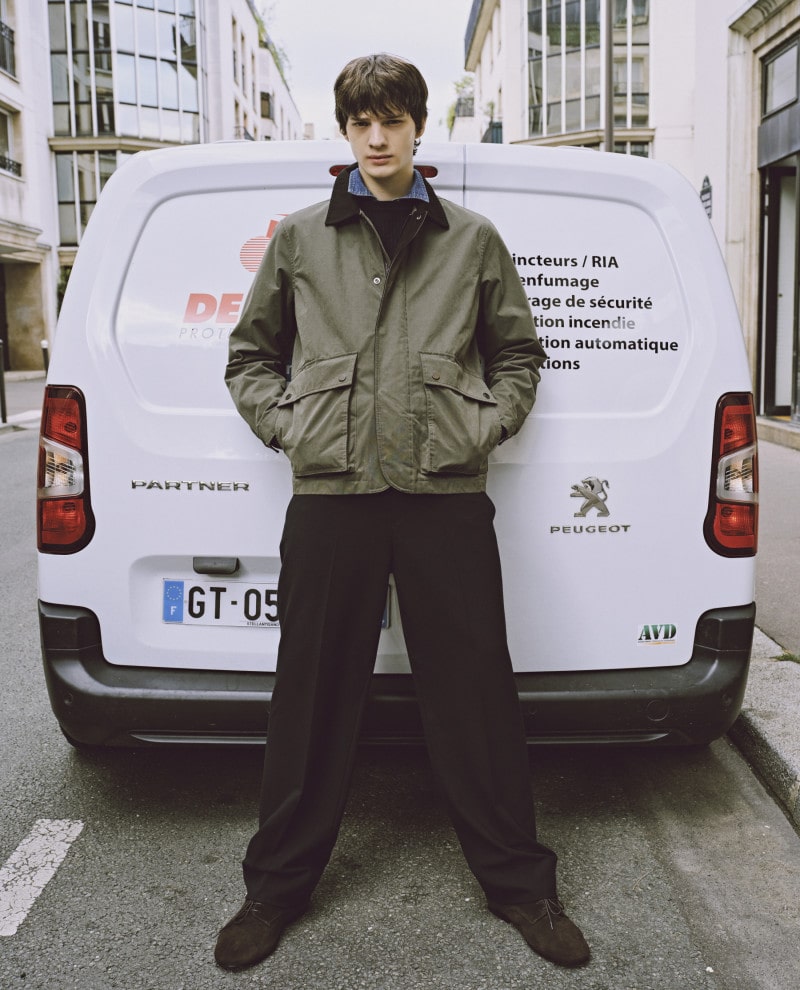
In an era where AI can create everything, there is a paradoxical surge in the demand for classic values, authenticity, and humanity. In 2026, it is anticipated that while coexisting comfortably with AI, the value of real spaces and experiences will be highly regarded.
According to a recent survey by the Samsung Fashion Research Institute, consumers showed the highest interest in the experiential areas of 'hobbies/leisure' and 'travel'. NH Nonghyup Bank's analysis also confirmed that people in their 20s and 30s reduced department store shopping but spent more in experiential areas such as sports stadiums, concerts/musicals, swimming pools, and ski resorts.
Retail and fashion industries are also focusing on lavish experiences, such as selling Arctic exploration trips with experts in department stores or luxury brands offering consumers a wide range of gourmet experiences, and this trend is expected to intensify in 2026.
- O(Officewear Onward): The evolution of office wear
The evolution of 'office wear', referred to as work attire or office clothing, is expected to stand out in 2026. As office environments become more diverse, it is anticipated that office wear, traditionally the most conservative area in fashion, will be reinterpreted to include more individuality and practicality.
With the rise of minimal trends, flexible styles combining daywear and leisurewear centered on essential items, and improved details of classic office wear, various office wear stylings that can be utilized from office to leisure time are expected to emerge.
Domestic leading menswear brands 'Galaxy' and 'Rogatis' are expected to clearly showcase these trends. Additionally, fashion items that can respond to climate changes, such as functional materials considering climate adaptability and smart designs that can adjust silhouettes, are anticipated to become important.
- W(Widen the Possibilities): A bold step forward
In an era where uncertainty has become the new normal, the business aspect to focus on is implementing 'bold strategies' in the fashion market with remaining growth potential.
The latest report by BoF (Business of Fashion) and McKinsey, 'The State of Fashion 2026', explains that industry leaders described the market as 'perpetually challenging' and emphasized that it's time to transform the vague anxiety that has dominated the market for the past decade into specific challenges. It also presented 'Quick to Adapt' as the core agenda that will determine the success or failure of 2026, predicting that only flexible brands that quickly adapt to changes by abandoning existing practices will survive.
The Samsung Fashion Research Institute anticipates that while the 2026 fashion market may still be tough, there is hope for brands and companies that respond flexibly to trends like the willow tree and stand firm.
```Read more this category
 1. Jang Wonyoung’s Unrivaled Lovely Mix-and-Match Look
 2. Doucan's S/S Art Couture of “Circulation and Regeneration”
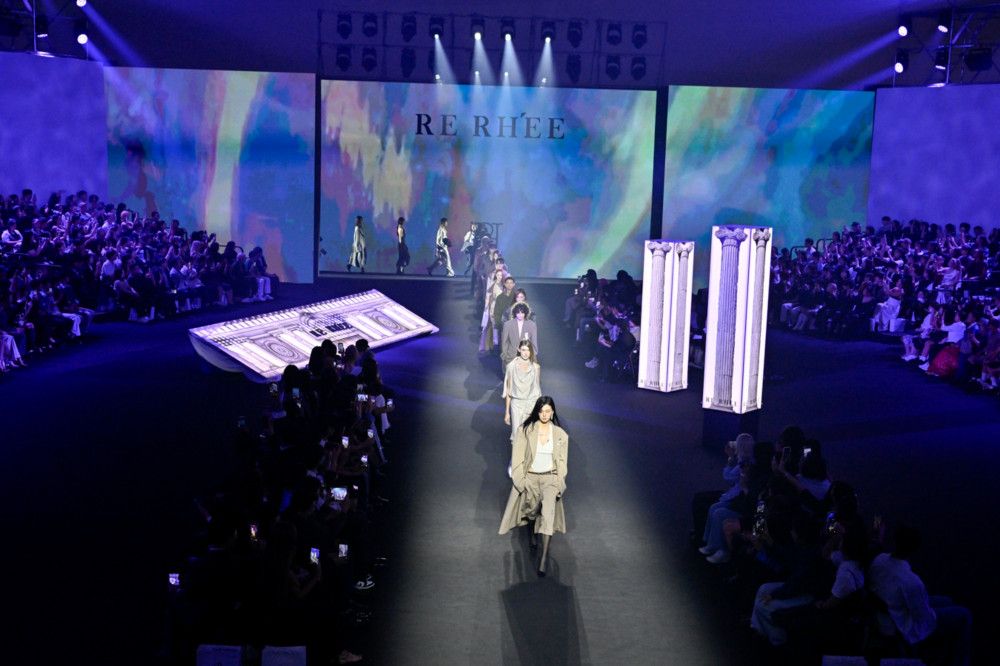 3. 2027 S/S Seoul Fashion Week Opening: Captivated by LEYI’s Refined Aesthetic
 4. Suzy’s Timeless Fall Denim Look
 5. Dreamcore Vibes, Kiki’s Take on Fall Styling
 6. Matin Kim’s New Face Momo Unveils a Fan-Favorite Fall Collection
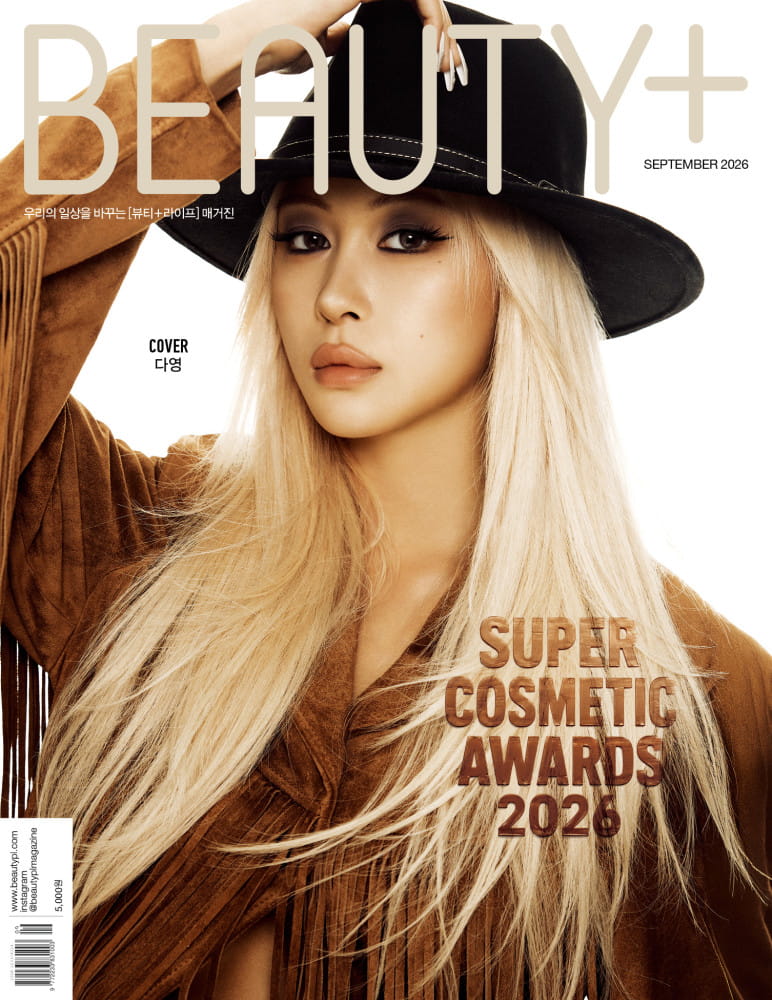 7. Dayoung Goes Solo with “FLIRTY”